The majority of access control systems comprise the following elements:
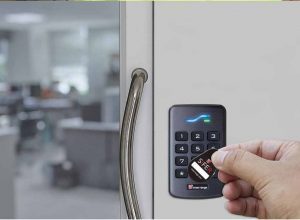
Control panel: The control panel keeps track of information on renters and their rights of access. Many newer systems save this data on the cloud, making it available from anywhere, unlike many older access controllers that frequently employ a physical device on-site.
Credentials: These are available in a wide variety of forms. You might still beusing metal keys for your building, or maybe you’ve switched to key fobs or cards. Even mobile devices or fingerprints can be used as credentials by smart access control systems. All credentials ultimately have the same function of storing information about the user and the resources they have access to.
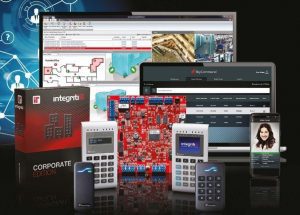
Reader: To control access and scan credentials, every entranceway needs a reader.
Door release mechanism: After scanning visitors’ and employees’ identification, the entrance release mechanism unlocks the door to allow entry.
When the control panel receives a message that a legitimate user is approaching the door, it unlocks the door to let them in.
Monitor Alarms and Access Control via the Internet:
The built-in secure connection makes it simple to monitor security alarms and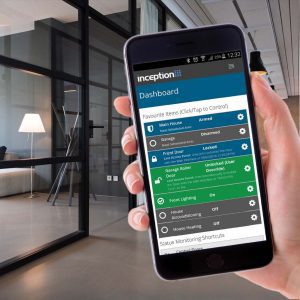 access control via the web interface from the Internet. Thanks to the secure SSL/TLS encrypted connection, communications and authentication, all information is kept private and access to the website is restricted.
Accessing the web controller is as simple as opening a web page and inputting the controller’s web address once a connection is established. The web page for Inception is responsive, so you may access it from any device, including a computer, tablet, or smartphone.